

Specialized care for vertigo, imbalance, and dizziness in Austin — delivered in the comfort of your home
Conditions we treat
-
BPPV is a common cause of intense spinning vertigo with position changes. This is highly treatable with gentle maneuvers when performed correctly.
-
These conditions can cause sudden, intense dizziness and imbalance. Often the acute period lasts several days, frequently prompting visits to the ER. Treatment focuses on supporting recovery through education and customized vestibular exercises that help the brain adapt and regain stability over time.
-
Vestibular migraine can cause dizziness, imbalance, or sensitivity to motion with or without a headache. We focus on lifestyle modifications, sensory optimization, symptom management strategies, and coordination with your broader care plan when needed.
-
Persistent dizziness and PPPD can involve ongoing sensations of unsteadiness, motion sensitivity, or feeling “off balance,” even after an initial trigger has passed. Care focuses on gentle vestibular exercises, movement retraining, and gradually reducing symptom sensitivity to help you feel more steady and confident in daily life.
-
Some dizziness can be related to neck movement, posture, tension, or weakness. Treatment focuses on improving neck mobility, body awareness, and optimizing how your body uses balance and sensory information to help reduce symptoms and support more comfortable daily movement.
-
Dizziness, fatigue, and balance issues are common after a concussion. Treatment is tailored to your symptoms and may include vestibular exercises, balance retraining, and guided progression back to normal activity.
-
Balance concerns can arise for many reasons, including aging or neurological changes. We work on targeted strength, coordination, sensory integration, and confidence to improve safety and reduce fall risk.
-
Some vestibular and balance conditions don’t fit neatly into a single category or may occur after illness, surgery, or other medical treatment. This can include post-operative dizziness, motion sensitivity, Ménière’s disease, or lingering symptoms after vestibular injury or inflammation.
Care focuses on understanding how your symptoms show up day to day and creating an individualized plan to improve stability, tolerance to movement, and overall function—often in coordination with your broader medical care when appropriate.
Not sure why you’re dizzy? Start with a free consultation.

Meet Your Vestibular Specialist
Founded by Austin native Dr. Justin Martin, PT, DPT, StillPoint offers gentle, personalized, in-home care for vertigo, imbalance, and dizziness. With thousands of evaluations and over 10,000 treatment sessions completed, each visit reflects advanced vestibular training and focused experience—helping clients feel steadier, more confident, and more comfortable.
“Justin Martin was truly life changing for me. After a TBI and open heart surgery, I developed vestibular migraine and PPPD, and my world felt completely unstable. His expertise, patience, and understanding made all the difference. He not only helped me improve physically, but also supported me through the mental and emotional challenges that come with vestibular disorders. He meets you where you are and knows exactly how to guide you forward.
Because of Justin, I've made significant progress I honestly did not think was possible. I highly recommend him to anyone dealing with vestibular issues. He is exceptional at what he does.”
— Jamison, Former PatientWhat to Expect
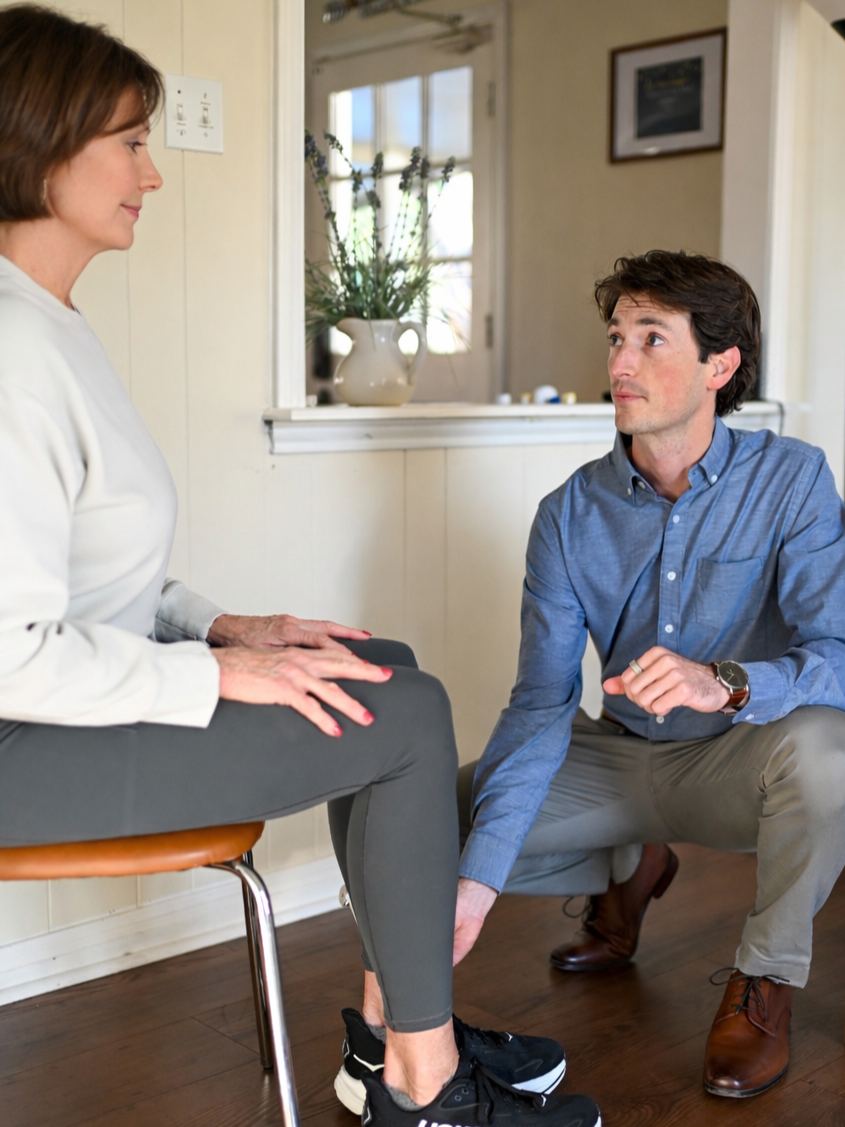
Dizziness and vertigo can be unsettling, or even scary, but the majority of causes are very treatable once they are properly identified. With StillPoint, care begins with a thorough evaluation focused on understanding which part of your orientation system isn’t keeping up.
1. We listen
Your evaluation starts with a detailed conversation about your symptoms, history, and how dizziness or imbalance is affecting your daily life.
2. We test
Specialized vestibular and balance testing helps identify whether your inner ear, nervous system, vision, sensation, or movement systems are contributing to your symptoms.
3. We treat
Your treatment plan may include repositioning maneuvers, education, vestibular exercises, balance training, gait training, and practical strategies to help you move more confidently.
Many patients begin to feel relief within just a few visits once the correct treatment approach is established.
Be still…
Let us come to you


What Clients are saying